
When your day is packed from morning to night, healthy snacks can keep you fueled, focused, and full without resorting to junk food. In fact, about 9 out of 10 Americans report they snack between meals, so choosing the right snacks is essential. A smart, nutritious snack bridges the gap between meals, curbs cravings, and even adds vitamins, minerals, fiber, and protein to your diet. In this guide, we’ll explore why healthy snacking matters, what to look for in a snack, and our top 10 healthy snack ideas for busy days that work for kids, adults, and anyone on the go. By the end, you’ll have plenty of quick, tasty, healthy snack ideas—from fruits and veggies to nuts and yogurt—that fit any schedule and diet goal.
Library snack station with a “Brain food for Badgers” sign; a student picks oranges and popcorn as healthy snacks on a study break. Busy professionals and students often rely on quick bites. Opting for wholesome snack choices like whole fruits, nuts, or yogurt can provide lasting energy. Nutrition experts advise focusing on snacks that are nutrient-dense but low in empty calories. For example, combining fiber and protein – such as apple slices with peanut butter or yogurt with berries – helps keep blood sugar steady and hunger at bay. By planning ahead (e.g. packing pre-cut veggies and dip, or a small bag of trail mix), you ensure that even on your busiest days you have healthy choices for snacks ready when hunger strikes.
Why Healthy Snacks Matter
Snacking is very common – nearly 89% of Americans call eating between meals “snacking”. But not all snacks are created equal. Healthy snacks give you energy and nutrients without a sugar crash. They can help with weight management, heart health, and even mood. For instance, dietary fiber from fruits, vegetables, nuts, and whole grains slows digestion, keeping you full longer and may reduce overeating. Harvard Health notes that most people fall far short of the recommended 25–38 grams of fiber per day; simply adding high-fiber snack foods (berries, nuts, popcorn) is an easy start. In a diet study, boosting fiber to 30g/day helped people lose weight and improve blood pressure nearly as well as complex diet plans. Similarly, snacks rich in lean protein (yogurt, cheese, eggs, nuts) help stabilize blood sugar and curb cravings.
Beyond weight and energy, healthy snacks support overall wellness. Fiber and plant-based foods lower heart disease risk, while protein snacks aid muscle repair and satiety. Even for kids and busy families, snacks can boost nutrition. Pediatricians recommend using snack time to add fruits, vegetables, whole grains, and protein into children’s diets. For example, pairing carrot sticks with hummus or grapes with cheese (as suggested by the American Academy of Pediatrics) makes snack time both fun and nutritious.
How to Choose Healthy Snacks
Not all store-bought snacks fit the bill. When shopping or prepping, look for whole-food ingredients and balanced nutrient profiles:
- Fiber and whole grains: Opt for whole-grain crackers or popcorn to add fiber and complex carbs. Fiber slows hunger and supports heart health.
- Lean protein: Include nuts, seeds, yogurt, cheese, or lean meats. Protein keeps you satisfied longer. A small handful of almonds or a hard-boiled egg are great examples.
- Fruits and veggies: Fresh, frozen, or low-sugar canned fruits give vitamins and natural sweetness with fiber. Vegetables (e.g. bell peppers, cherry tomatoes, snap peas) are low-calorie and filling thanks to fiber. Keep cut carrots or cucumber slices ready for a quick snack.
- Healthy fats: Nuts, seeds, and avocados provide heart-healthy fats. They boost flavor and satiety, but watch portions (nuts are calorie-dense).
- Low added sugar: Avoid snacks with lots of added sugars or empty calories. Instead of candy or soda, satisfy cravings with naturally sweet foods like berries or a yogurt parfait.
Dietitians emphasize planning and prep: “With a little planning and preparation, you can have healthy snacks ready when temptation strikes,” notes the Mayo Clinic, advising to “focus on low-calorie, nutrient-dense choices”. Portion control is also key – use small containers or bags so snacks stay grab-and-go but not overeat.
Top 10 Healthy Snack Ideas for Busy Days
- Greek Yogurt Parfait with Berries: Layer plain Greek yogurt with fresh or frozen berries and a sprinkle of oats or nuts. This quick parfait is high in protein and calcium, keeps you full, and satisfies a sweet tooth naturally. Berries add fiber and antioxidants (heart healthy benefits), while yogurt provides probiotics. A parfait is easy to prep ahead and take on the run – a real healthy sweet snack replacement for ice cream.
- Homemade Trail Mix: Combine nuts (almonds, walnuts, peanuts), seeds (pumpkin, sunflower), and a few pieces of dried fruit or dark chocolate chips. This healthy protein snack delivers fiber, protein, and healthy fats in one bite. Nuts are “heart-healthy” and help you feel full. Portion into snack-sized bags for the week. Avoid trail mixes heavy on sugary candy; instead, keep it natural and low-sodium. Mix-nuts trail can serve both as a sweet and salty fix while you’re busy. (Image: Bag of mixed nuts as a nutritious on-the-go snack.)
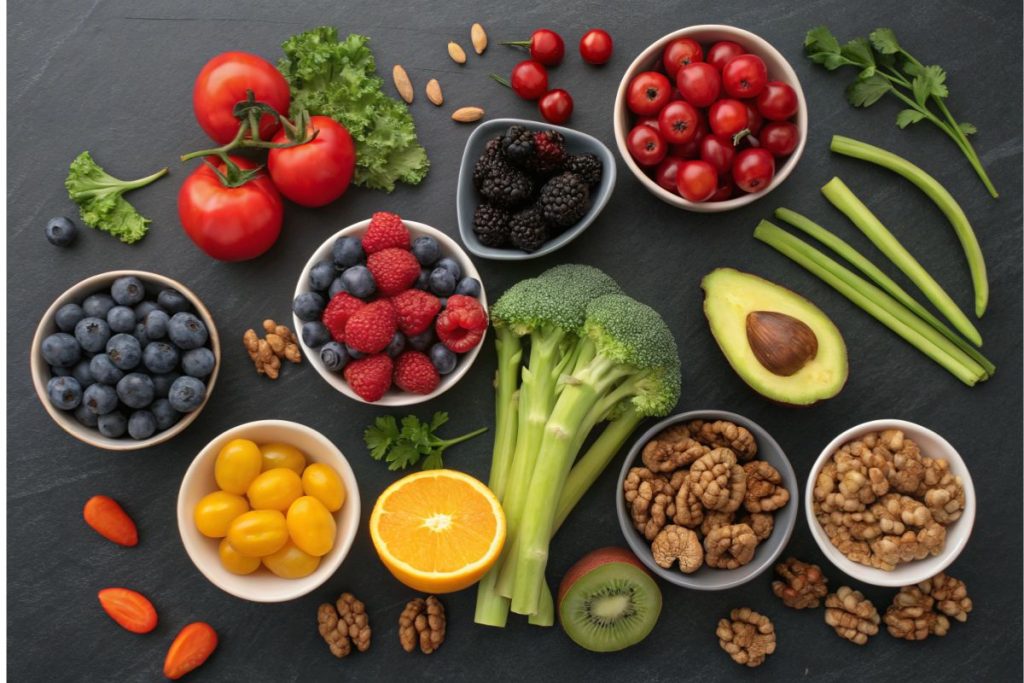
- Veggie Sticks with Hummus or Guacamole: Slice raw veggies like carrots, celery, cucumber, or bell peppers and dip them into hummus (chickpea dip) or guacamole. Vegetables are packed with vitamins and fiber, and hummus/guac add plant protein and healthy fats. This combination makes a filling, low-calorie snack. It’s also diabetic-friendly since it’s low on the glycemic scale and high in fiber. Keep pre-cut veggies ready in the fridge for a go-to crunchy snack.
- Whole-Grain Crackers and Cheese or Nut Butter: Pair whole-grain crackers or rice cakes with a protein like low-fat cheese, turkey slices, or natural nut butter. This combo gives you complex carbs plus protein/fat. Whole grains contribute fiber, and the protein/fat slows digestion. For a sweeter spin, try whole-grain crackers with peanut butter and a few banana slices. These snacks are great for both kids and adults – for example, apple slices and peanut butter or banana and Greek yogurt are easy, healthy children’s snacks noted by nutrition experts.
- Fresh Fruit with Nut Butter or Yogurt: An apple, banana, or pear with a tablespoon of almond/peanut butter is classic for a reason. The fruit offers vitamins, fiber, and natural sweetness; the nut butter adds protein and satisfying fat. Or try a cup of berries topped with a dollop of Greek yogurt. This is a healthy sweet snack that still fills you up. Remember, fruits are generally around 60 calories per serving, making them excellent low-cal additions to snacks for weight management and diabetic diets. Berries and citrus provide antioxidants for heart health.
- Hard-Boiled Eggs or Egg Muffins: Eggs are a powerhouse protein snack that you can cook in batches. A couple of hard-boiled eggs (seasoned lightly) are easy to peel and eat between meetings. For variety, make mini egg muffins (eggs whisked with veggies and baked in a muffin tin). Eggs contain high-quality protein and nutrients like choline. They’re low in carbs and are ideal for a satiating snack especially for weight loss (protein helps curb appetite). Plus, they travel well – put eggs or muffins in a container and go.
- Air-Popped Popcorn: Yes, popcorn! Air-popped popcorn is actually a whole grain and a good source of fiber. A few cups of plain popcorn (lightly seasoned with herbs or nutritional yeast) make a crunchy, low-calorie snack. It’s much lower in calories than chips but still satisfies crunchy cravings. Popcorn is also caffeine-free and easy to nibble at your desk or on the couch at night. Just skip butter and excess salt – instead try cinnamon or rosemary for flavor.
- Smoothie or Protein Shake: Blending up a smoothie can turn healthy snacks into a drinkable treat. Combine leafy greens (spinach or kale) with a cup of berries, a scoop of protein powder or Greek yogurt, and some unsweetened milk/water. The result is a portable snack rich in vitamins, protein, and hydration. Smoothies can be made in advance and poured into a travel cup. If late-night hunger strikes, a small dairy smoothie provides protein and calcium without too much sugar. (Tip: For low sugar, use mostly veggies and a moderate amount of fruit.)
- Cottage Cheese or Greek Yogurt Bowl: A half-cup of low-fat cottage cheese or plain Greek yogurt topped with fruit or sliced veggies is an easy, high-protein snack. Cottage cheese offers casein protein that digests slowly—ideal for a late-night snack that won’t spike blood sugar. Add pineapple chunks or sliced peaches for sweetness (vitamin-rich), or cucumbers and cherry tomatoes for a savory bowl. Dairy in snacks adds calcium and extra protein. For diabetics, pairing fruit with protein/dairy helps stabilize blood sugar.
- Roasted Chickpeas or Edamame: For a crunchy, heart-healthy snack, try air-roasted chickpeas (season with garlic, paprika) or lightly salted steamed edamame (soybeans). Both are high in fiber and plant protein. A ¼ cup of roasted chickpeas has around 6g protein and 6g fiber – very filling. Edamame pods are fun to pop and provide magnesium and folate. These snacks are good for adults and kids alike, and they’re naturally low in calories and sugar. For convenience, you can buy ready-to-eat roasted chickpeas or edamame packets to keep on hand.
Each of the above healthy snack recipes can be prepped ahead or grabbed on the go. Mix and match foods from different categories (fruits, vegetables, whole grains, proteins) to keep snacks interesting. For example, you might keep a snack tray in the fridge with cut carrots, celery, sliced cheese, and hummus. Or make a big batch of a fruit and nut granola to portion out for the week.
Engaging Your Healthy Snacking Routine
To keep these snack habits going, try incorporating a few tricks: Set reminders to take a short break and have a healthy snack (especially mid-afternoon when energy dips). Keep a small stash of nuts or fruit at your desk or in your bag so you’re not tempted by vending machines. Get creative with toppings – a dash of cinnamon on yogurt, or chili powder on popcorn – to make snacks feel more like a treat. Invite colleagues or friends to join you in snacking smart, and share your favorites on social media (it’s an easy way to boost others’ health, too!).
Encourage feedback from others: “What’s your go-to healthy snack?” and suggest readers comment below with their ideas. Interaction can build community around healthy habits.
FAQs
Q: What are some quick healthy snack ideas for busy schedules?
A: Look for snacks that need little to no prep: whole fruits (apple, banana), single-serve yogurt, hard-boiled eggs, cheese sticks, nuts, or whole-grain crackers with peanut butter. Smoothies (made in advance or in a blender bottle) and trail mix are also grab-and-go. The key is combining protein, fiber, and healthy fats to stay full longer.
Q: Can healthy snacks help with weight loss?
A: Yes. Choosing high-fiber, high-protein snacks can prevent overeating at meals. Fiber-rich snacks (berries, veggies, popcorn) fill you up on fewer calories. One study showed that aiming for 30g fiber per day helped people lose weight as effectively as more restrictive diets. For weight loss, focus on nutrient-dense snacks (nuts in moderation, raw veggies, yogurt) and watch portion sizes.
Q: What are some healthy snack ideas for kids?
A: Kid-friendly snacks include fruit and cheese kabobs, yogurt with fruit, veggie sticks with dip, small sandwiches on whole-grain bread, or trail mix with cereal, raisins, and chocolate chips. Pediatricians suggest pairing fruits or veggies with protein (e.g., grapes and cheese, celery and peanut butter) to boost nutrients. Keep portions small and colorful to make snacks appealing to little ones.
Q: What are healthy late-night snack options?
A: At night, go for something light but satisfying. Greek yogurt with a few berries, cottage cheese with sliced cucumber, or a warm cup of herbal tea with a whole-grain cracker and cheese can be soothing and filling without too much sugar. Avoid high-sugar or high-caffeine snacks before bed. A protein- and fiber-based snack will prevent midnight hunger without disrupting sleep.
Q: Which healthy snacks are good for people with diabetes?
A: Diabetics benefit from snacks that pair fiber and protein to keep blood sugar stable. Options include a small apple with peanut butter, bell pepper slices with hummus, plain Greek yogurt with berries, or a hard-boiled egg and whole-grain toast. GoodRx notes that the best snacks include lean protein, whole grains, fiber, and healthy fats. It’s also wise to check blood sugar levels and work with a dietitian for personal guidance.
Q: Are there store-bought snacks that are healthy?
A: Yes. Look for single-serving packs of nuts or seeds (unsalted), popcorn (air-popped or lightly seasoned), whole-grain crackers, rice cakes, or low-sugar protein bars. Read labels: choose products with whole ingredients (nuts, fruit, whole grains) and minimal added sugar or sodium. Some grocery stores offer prepared snack packs with combinations like cheese and fruit, or carrot sticks and guacamole. Buying in advance makes it easier to avoid unhealthy impulse snacks.
By swapping out chips and candy for the above healthy snacks, you’ll give your body good fuel even on the busiest days. Enjoy the benefits of increased energy, better focus, and overall well-being that come from smart snacking. Don’t forget to share this guide with friends and family, and leave a comment below with your favorite healthy snack ideas – your tip might just inspire someone else to snack smarter!
Ultimate Guide: How to Fix Xbox Series X Slow Boot Issues Fast
