
Healthy nutrition food recipes prioritize wholesome ingredients and balanced nutrients to support overall well-being. According to the World Health Organization, a nutritious diet should include an abundance of fruits, vegetables, legumes, nuts, and whole grains. This curated collection of ten healthy nutrition food recipes features a vibrant mix of plant-based meals and lean proteins, all rich in essential vitamins, minerals, fiber, and protein. Each recipe is accompanied by detailed nutritional information—including calories, protein, and fiber—making it easy to incorporate healthy food recipes with nutrition facts into your daily routine. Whether you’re planning meals for Nutrition Month or looking for nourishing weeknight dinner ideas, these recipes offer both flavor and functional nutrition to fuel your body.
Here are 10 healthy, nutritious recipes (with nutrition facts) to add to your menu:
1. Spinach-Banana-Avocado Green Smoothie
Green smoothie with spinach and banana in a glass jar – a nutritious breakfast.
This vibrant green smoothie combines leafy spinach, ripe banana and creamy avocado. It’s low in calories but rich in nutrients – especially fiber, vitamins A, C and K, and potassium. Spinach is “one of the most nutritionally-dense vegetables,” providing fiber, folate, calcium and antioxidants. Blending spinach with banana and avocado yields a meal that’s high in fiber and healthy fats yet only ~230 calories. It’s an easy way to boost your daily veggies (smoothies contain the whole vegetable, not just juice) and help meet the recommended 5 servings of fruits/vegetables per day.
- Key nutrients: Fiber, vitamins A/C/K, iron, folate, potassium, healthy fats.
- Nutrition facts: ~230 calories per glass, high fiber and micronutrients.
- Why it’s healthy: Spinach and fruit in the smoothie make it low in sugar and high in fiber, aiding digestion and satiety. Avocado adds creaminess plus heart-healthy monounsaturated fats and potassium. This smoothie keeps you full and energized – a perfect healthy food recipe with nutritional information for breakfast.
2. Quinoa Vegetable Salad Bowl
Assorted whole grains and seeds (quinoa, flax, chia) in bowls – nutritious ingredients for a salad.
Quinoa is a protein-rich, gluten-free grain (actually a seed) often called a “superfood.” One cup (185g) of cooked quinoa contains ~222 calories and about 8 g protein. Per 100 g it has 4.4 g protein, 2.8 g fiber and a mix of vitamins and minerals. In this salad, fluffy quinoa is tossed with crunchy bell peppers, cherry tomatoes, cucumber, spinach and toasted nuts. The variety of colorful veggies adds vitamins and antioxidants (the WHO notes that “variety is as important as quantity” of fruits/vegetables).
- Key nutrients: Complete plant protein, fiber, vitamin C, vitamin A, potassium and healthy fats (from olive oil and nuts).
- Nutrition facts: Cooked quinoa provides ~120 calories, 4.4 g protein and 2.8 g fiber per 100 g. The entire salad (one serving) is roughly 350–400 kcal with ~12–15 g protein and 8–10 g fiber.
- Why it’s healthy: This nutritious recipe gives you all the essentials – whole grains and vegetables. Quinoa adds more protein and fiber than rice, while the vegetables supply antioxidants and phytochemicals. Dressed with extra-virgin olive oil (a healthy fat) and lemon, it’s light yet filling.
3. Hearty Lentil Soup
Bowl of warm lentil curry soup garnished with cilantro – a high-fiber, comforting meal.
Lentils are legumes high in protein, fiber and essential minerals. One cup of cooked lentils (~200 g) contains roughly 230 calories, 18 g protein and 15 g fiber (100 g = 116 cal, 9 g protein, 7.9 g fiber). This spicy lentil soup uses red or brown lentils simmered with onions, carrots, and spices. It’s naturally vegetarian, but the protein and fiber content make it very satisfying.
- Key nutrients: Plant protein, soluble and insoluble fiber, folate, iron, potassium.
- Nutrition facts: 100 g cooked lentils = 116 cal, 9.0 g protein, 7.9 g fiber. One bowl (about 300 g of soup) delivers ~300 cal, 15–18 g protein and ~12 g fiber.
- Why it’s healthy: Lentils are “rich in minerals, protein, and fiber,” making them excellent meat substitutes. A diet rich in fiber (like from lentils) can help lower LDL “bad” cholesterol and keep blood sugar stable. Combined with vegetables and broth, this soup is warming, easy to digest, and nutrient-dense.
4. Chickpea Curry with Brown Rice
Chickpea curry in a blue bowl with cucumber garnish – a nutritious vegetarian entrée.
This creamy chickpea curry (garbanzo stew) is made with canned or cooked chickpeas, tomatoes, coconut milk (or yogurt), and curry spices. Chickpeas add a hearty texture and nutrition. One cup of cooked chickpeas provides about 269 calories, 14.5 g protein and 12.5 g fiber – fueling your body and keeping you full longer. Serve it over fiber-rich brown rice or quinoa for extra whole grains.
- Key nutrients: Dietary fiber, plant protein, iron, folate, potassium.
- Nutrition facts: 1 cup cooked chickpeas ≈ 269 cal, 14.5 g protein, 12.5 g fiber. A serving of chickpea curry with rice is about 400–450 cal, with roughly 18 g protein and 14 g fiber.
- Why it’s healthy: Like lentils, chickpeas are rich in fiber and protein. This slows digestion and prevents blood sugar spikes. The fiber also supports gut health. Combined with anti-inflammatory spices (turmeric, ginger) and veggies like spinach or peppers, it’s a colorful, balanced dish.
5. Baked Salmon with Roasted Broccoli
This simple entrée is one of our standout healthy nutrition food recipes, featuring an oven-baked salmon fillet paired with roasted broccoli and a squeeze of lemon. Salmon is rich in high-quality protein and omega-3 fatty acids, which can decrease inflammation and support brain health. A 3.5-ounce (100 g) serving of salmon contains approximately 182 calories and 22–25 g of protein. Broccoli and lemon contribute vitamin C, vitamin K, and powerful antioxidants that promote immune function and bone health.
- Key nutrients: Omega-3 fats, lean protein, vitamin D (from salmon), fiber, vitamin C, vitamin K.
- Nutrition facts: 100 g wild salmon (baked) ≈ 182 cal, 25 g protein. One plated meal (about 150 g salmon + broccoli) is ~350 cal with ~30 g protein.
- Why it’s healthy: Salmon is one of the best sources of DHA/EPA omega-3s, linked to lower blood pressure and reduced heart disease risk. It also supplies B vitamins and selenium. Roasting vegetables in olive oil (a healthy unsaturated fat) locks in flavor without added salt. This meal is satisfying, protein-forward, and rich in nutrients.
6. Tofu and Vegetable Stir-Fry
A colorful stir-fry of firm tofu cubes, broccoli, bell peppers, snap peas and carrots sautéed in garlic-ginger sauce. Tofu and edamame are excellent plant proteins – Harvard’s nutrition experts recommend “healthy protein such as fresh fish, chicken or turkey, tofu, eggs, and a variety of beans” in your diet. The vegetables add fiber, vitamin C and beta-carotene. Using olive or canola oil (from [6†L148-L150]) for cooking provides heart-healthy fats.
- Key nutrients: Plant protein (tofu), fiber, vitamins A/C, iron (from tofu), and healthy fats.
- Nutrition facts: 100 g firm tofu ≈ 76 cal, 8 g protein, 2 g fiber. A generous serving of tofu stir-fry (~350 g total) is roughly 350–400 cal with about 20 g protein.
- Why it’s healthy: This meal is a balanced mix of protein and vegetables. The fiber-rich veggies help you feel full, and the protein supports muscle and metabolism. The recipe avoids heavy sauces or deep-frying, relying instead on aromatic spices and a small amount of oil.
7. Banana-Oatmeal Breakfast Bowl
Start the day with a warm, fiber-rich bowl of oatmeal topped with sliced banana and chopped nuts or seeds. Oats are “among the healthiest grains” – they’re gluten-free whole grain high in fiber and protein. A 1-cup prepared oatmeal (from ½ cup dry) has about 153 calories, 5.3 g protein and 4 g fiber. Adding banana and nuts boosts potassium, healthy fat and additional fiber.
- Key nutrients: Soluble fiber (beta-glucan in oats), complex carbs, vitamin B, magnesium, potassium, healthy fats (from nuts).
- Nutrition facts: 1 cup cooked oatmeal ≈ 153 cal, 5.3 g protein, 4 g fiber. Toppings (banana, nuts) add ~100 cal and 2–3 g protein.
- Why it’s healthy: Oatmeal’s fiber can help lower cholesterol and stabilize blood sugar. This breakfast keeps you full through mid-morning. It’s also easy to customize with berries, spices (cinnamon) or yogurt.
8. Greek Yogurt Parfait with Berries
This creamy yogurt bowl layers plain Greek yogurt with fresh berries and a sprinkle of granola or nuts. Plain, low-fat Greek yogurt is very high in protein. In fact, a 7-ounce (200 g) serving has about 146 calories and 20 g protein. It’s also rich in calcium, vitamin B12 and probiotics (live cultures). Fresh berries add vitamin C and antioxidants, while nuts add healthy fat.
- Key nutrients: High-quality protein, probiotics, calcium, vitamin B12, vitamins C/K (from berries).
- Nutrition facts: 200 g plain Greek yogurt ≈ 146 cal, 20 g protein. A parfait (200 g yogurt + berries/nuts) is ~250 cal with 20 g protein.
- Why it’s healthy: This parfait is a nutrient-dense breakfast or snack. The high protein content supports muscle repair and satiety. Greek yogurt’s probiotics support gut health. Choose unsweetened yogurt and natural toppings to keep sugars low.
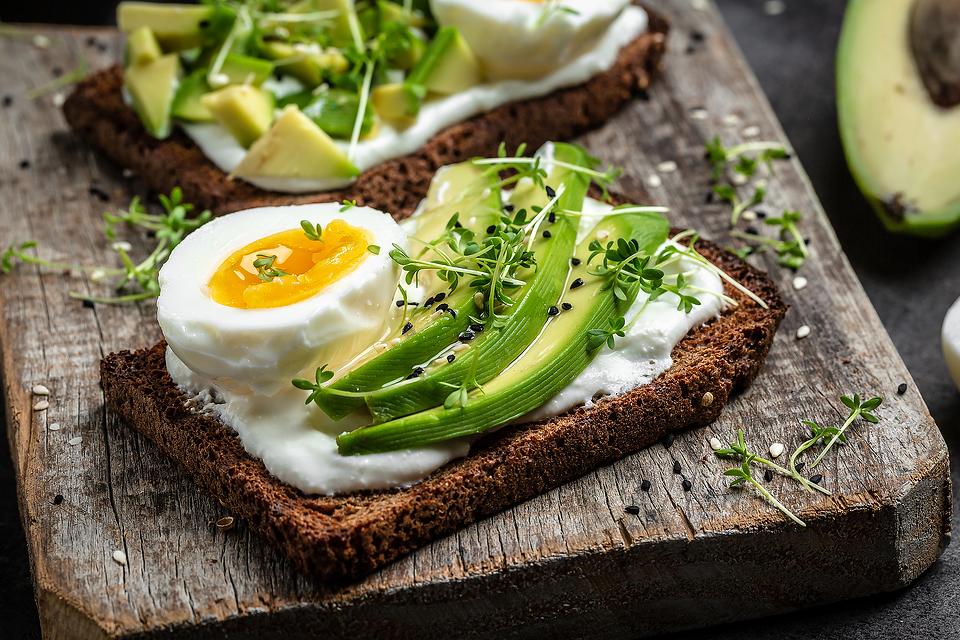
9. Veggie Egg Omelette with Whole-Grain Toast
Whisk up an omelette using whole eggs or egg whites with sautéed spinach, mushrooms, tomatoes and onions. Eggs provide high-quality protein and essential nutrients like choline, vitamin D, and B-vitamins. (Though not shown here, studies note eggs are a great source of choline for brain health). Pair it with a slice of whole-grain toast or avocado on toast for complex carbs and extra fiber.
- Key nutrients: Complete protein (eggs), lutein/zeaxanthin (from spinach) for eye health, fiber and B-vitamins (whole grain toast).
- Nutrition facts: 2 large eggs (~100 cal, 12 g protein), plus veggies (~30 cal). Added whole-grain toast (~70 cal, 3 g protein, 3 g fiber). Meal total ~250 cal, 15 g protein.
- Why it’s healthy: Eggs and vegetables make this a filling, balanced meal. The veggies add fiber and micronutrients, and cooking with a small amount of olive oil adds healthy fat. This is a heartier breakfast or dinner that builds muscle and eyesight health (spinach) while keeping carbs moderate.
10. Three-Bean Chili
Cook up a batch of chili using black beans, kidney beans and navy beans (or pinto). Beans are high in fiber, protein, iron and potassium. This chili is flavored with tomatoes, garlic, chili powder and a bit of lean ground turkey or extra veggies. Like lentils and chickpeas, beans help you feel full and regulate blood sugar.
- Key nutrients: Fiber, plant protein, iron, folate, complex carbs, potassium.
- Nutrition facts: 1 cup of mixed bean chili ≈ 240 cal, 15 g protein, 12 g fiber (varies by recipe).
- Why it’s healthy: Beans are fiber-powerhouses that support heart health and digestion. According to health experts, a higher fiber intake is linked with lower LDL cholesterol. This chili is a one-pot, nutrient-rich dinner; top it with avocado or Greek yogurt for extra flavor and nutrients.
Each of these healthy nutrition food recipes is thoughtfully designed with nutrition facts in mind. They feature a balanced mix of whole grains, lean proteins (or plant-based alternatives), healthy fats, and plenty of fresh produce. By checking calories, protein, and fiber per serving—as shown above—you can easily monitor your daily nutrition. For example, Harvard’s Healthy Eating Plate emphasizes these key food groups for creating balanced meals. You can also use helpful tools like the FDA’s Nutrition Facts labels or USDA’s MyPlate guidelines to compare and plan portions alongside your favorite healthy nutrition food recipes.
Engage and Enjoy
Add these healthy nutrition food recipes to your meal plan and share your cooking success! Encouraging comments and social shares helps spread good health. Try one recipe each week or make a “recipe swap” with friends. With the nutrition facts provided, you’ll feel confident these meals fit your dietary goals.
FAQs (Healthy Food Recipes & Nutrition)
Q: What does “healthy food recipe with nutrition facts” mean?
A: It means the recipe is designed with balanced, nutrient-rich ingredients, and includes key nutritional information (calories, protein, fiber, vitamins, etc.) per serving. This helps you make informed food choices. Tools like the FDA’s Nutrition Facts label and USDA MyPlate stress that knowing nutrients (calories, fat, fiber) lets you make healthier choices.
Q: Why include nutrition facts for each recipe?
A: Including nutrition facts (calories, macros, fiber) helps you plan portion sizes and track intake of important nutrients. It lets you compare recipes and ensure a balanced diet. For example, seeing that our lentil soup has ~15g fiber per serving tells you it’s very satiating. Nutrition transparency aligns with dietary guidelines – it’s recommended to limit added sugars and unhealthy fats, and emphasizing fiber-rich foods.
Q: How do these recipes support a healthy diet?
A: Each recipe focuses on whole foods: vegetables, fruits, whole grains, healthy proteins and fats. For instance, WHO recommends adults eat at least 400 g of fruits and veggies daily, which we cover with ingredients like spinach, berries and peppers. Lean proteins (fish, beans, yogurt) and healthy fats (olive oil, avocado) are also key in preventing diseases. Cooking at home lets you control salt and sugar, aligning with FDA and WHO guidelines for a heart-healthy diet.
Q: Can these recipes help me during Nutrition Month?
A: Absolutely. Nutrition Month (March) is all about making informed food choices. These healthy recipes for Nutrition Month are perfect because they feature nutrient-dense ingredients and clear nutrition facts. For example, using colorful vegetables helps you meet the “Healthy Eating Plate” advice from experts. Celebrating Nutrition Month can mean trying new recipes like these that boost your health.
Q: Where can I find more healthy recipes with nutrition information?
A: Check trusted resources like the USDA’s MyPlate Kitchen or Nutrition.gov, which offer healthy recipes with detailed nutrition facts. Academic sites (e.g. Harvard’s T.H. Chan Nutrition Source) and health organizations often publish evidence-based recipes too. The FDA recommends using tools like the Nutrition Facts label to compare foods. Combining these tools with the tips above helps you cook and eat well.
These ten healthy nutrition food recipes—and others like them—are crafted to provide genuine value to readers. They combine delicious flavors with science-backed nutrition, making it easier to enjoy meals that are both tasty and nourishing. By following these healthy nutrition food recipes and considering the included nutrition facts, you’ll be supporting a balanced diet aligned with today’s healthy-eating guidelines.
