
Dental cavities (tooth decay) won’t heal on their own, so most people need a filling to restore the tooth. Naturally, patients often ask, “How long does it take to fill a cavity?” The good news is that filling a cavity is a relatively quick and straightforward procedure. A simple, single-cavity filling typically takes 30–60 minutes or less. In fact, many fillings are completed in about half an hour. Smaller cavities may only require 20–30 minutes, while larger or multiple cavities can extend the appointment up to an hour or more. In this guide, we’ll break down the typical timeline for a cavity filling, what factors influence the duration, and what to expect before, during, and after the procedure.
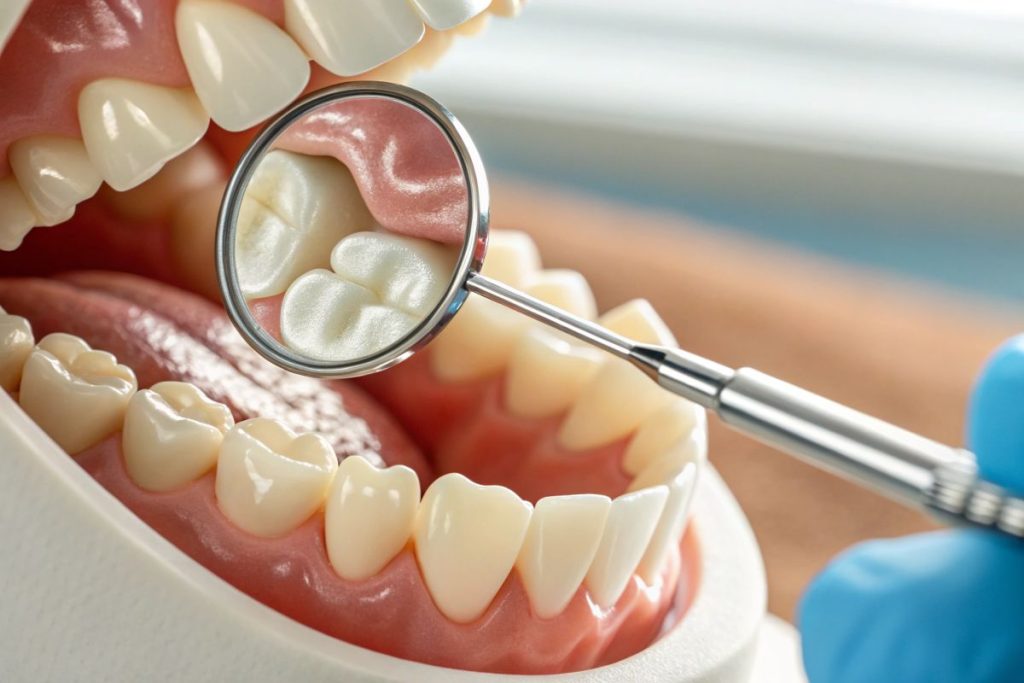
Typical Time to Fill a Cavity
On average, a dental filling takes under one hour. According to dental experts, “In most cases, filling a cavity takes between 20 to 60 minutes,” depending on complexity. As Benchmark Dental notes, the exact time depends on factors like the size and depth of the cavity and the material used. A simple, small cavity on an easy-to-reach tooth often takes only 20–30 minutes to fill.
For example, if you’re asking “how long does it take to fill a small cavity,” expect something on the shorter end of that range. On the other hand, large cavities or multiple cavities treated in one visit can require up to 60 minutes or more. Cavities on back teeth (molars) or between teeth are trickier to clean and fill, so they may add extra time.
Healthline confirms that “in general, a filling takes an hour or less,” with simple fillings as fast as 20 minutes. If a filling is especially complex (for example, requiring an impression, lab work, or special materials), it might even be scheduled over two visits. But for a routine cavity filling, most patients are in and out in under an hour.
- Small cavity (size): ~20–30 minutes
- Medium cavity: ~30–45 minutes
- Large or multiple cavities: 45–60+ minutes
These estimates include all steps: numbing the tooth, removing decay, cleaning, placing the filling, and polishing. Patients are usually numb for the first 1–3 hours after the anesthetic, but the filling itself takes minutes to complete.
Factors That Affect Filling Time
Several factors influence “how long does it take to fill in a cavity.” Not every filling is the same, so your dentist will give an estimate based on your specific situation. Key factors include:
- Cavity Size and Depth: Larger cavities require more drilling and cleaning, which takes longer.
- Tooth Location: Cavities on back teeth (molars) or between teeth can be harder to access, often adding a few extra minutes.
- Number of Cavities: Treating multiple cavities in one appointment naturally takes longer than one.
- Filling Material: Some materials take more time. For example, composite (tooth-colored) fillings are applied in layers and cured with light, while silver amalgam fillings can be placed and polished slightly faster. Gold inlays/onlays typically require lab work and multiple visits.
- Patient Comfort and Needs: If you need sedation (like nitrous oxide or oral sedatives) or have dental anxiety, additional time may be needed for preparation and recovery. Young children often require extra care: children under 5 may need anesthesia or child-friendly techniques if they cannot sit still.
- Dentist’s Experience and Equipment: Modern clinics with advanced tools (digital scanners, lasers) can speed up the process.
By understanding these factors, you can see why answers to “how long does it take to get a cavity filled?” can vary. For instance, two separate small cavities might be done in under an hour total, while a single deep cavity on a molar might take nearly an hour due to its complexity.
Step-by-Step: What Happens During a Cavity Filling
After your cavity is filled, your mouth will gradually recover from the procedure. If you’ve been wondering how long does it take to fill a cavity, the filling process itself is quick, but your recovery may take a little longer. Most people experience some sensitivity or soreness, but this is usually short-lived. Here’s what to expect in the recovery period:
- Anesthetic Wear-Off (1–3 hours): The numbing from the local anesthetic will last a couple of hours. Avoid chewing until numbness completely subsides to prevent biting your cheek or tongue. Over-the-counter pain relievers like ibuprofen can help if you feel mild discomfort.
- Initial Sensitivity (1–2 days): It’s normal for the filled tooth to be sensitive to pressure, air, or extreme temperatures for 24–48 hours. During this time, eat soft foods and avoid super-hot or super-cold items that could aggravate the tooth. According to dental professionals, this sensitivity typically fades in a day or so.
- Bite Adjustment: Sometimes after a filling, your bite may feel a little “off.” If you notice a high spot when chewing, contact your dentist. A quick follow-up adjustment will make the filling feel normal again.
- Healing Time (Up to 1–2 weeks): While the answer to how long does it take to fill a cavity is usually “less than an hour,” complete healing can take longer. In most cases, people feel back to normal in a few days, and a filling is considered fully settled in about 1–2 weeks. If you still have noticeable pain, prolonged sensitivity, or swelling after this period, you should return to your dentist for evaluation.
- Polishing and Bite Adjustment (5–10 minutes): Finally, the dentist smooths (polishes) the filling, removes any sharp edges, and checks your bite with special paper. Any high spots are adjusted so your teeth meet comfortably.
Most of these steps are painless due to the numbing. In total, a standard filling appointment usually runs 30 to 60 minutes. Short wait times may occur between steps (e.g., waiting for light curing), but overall the procedure is efficient.
After the Filling: Recovery and Healing Time
Healthline notes that “most fillings heal quickly without complications,” and by the next day you should feel back to normal. If you’ve ever wondered how long does it take to fill a cavity, the good news is that recovery is typically fast. Metal fillings (amalgam or gold) can sometimes cause lingering cold sensitivity for a few days or weeks, but this is relatively uncommon. Always follow your dentist’s aftercare instructions — for example, avoid hard or sticky foods for at least 24 hours so the filling isn’t dislodged. In most cases, though, there is no long-term downtime. You can usually resume normal activities immediately after leaving the dental office, unless you had sedation, making the answer to how long does it take to fill a cavity reassuring for most patients.
Top 10 Dog Walker Jobs That Pay Well in 2025
Tips for a Smooth Cavity Filling and Fast Recovery
Preparing properly and caring for your tooth afterward can make the whole process faster and more comfortable. Here are some practical tips:
- Communicate with your Dentist: Ask your dentist or hygienist how long to expect the appointment to be based on the number and size of cavities. Mention if you have dental anxiety – in that case, sedation or numbing may be planned for your comfort.
- Avoid Eating Right Before: An empty (or slightly full) stomach can help if you feel nervous. Also, dentists usually prefer you not to eat for at least 2 hours after the filling, until numbness wears off.
- Bring Relaxing Distractions: Listening to music or a podcast can help pass time. Many offices have TVs or headphones to distract you during drilling.
- Plan Soft Foods: Stock up on soft, room-temperature foods (soup, yogurt, mashed potatoes) for after the filling. You might not feel like chewing hard items for a day or so.
- Oral Hygiene: Keep brushing and flossing as normal, but be gentle around the filled tooth for the first 24 hours. A fluoride rinse can also be soothing if your dentist recommends it.
- Watch for Issues: If you notice persistent throbbing, swelling, or your bite feeling uneven beyond 2–3 days, contact your dentist. Prompt adjustments or checks can prevent bigger problems.
Following these guidelines helps ensure that “how long does it take a cavity filling to heal?” stays on the shorter end. Good care means your tooth will feel normal sooner.
FAQs
Q: How long does it take to fill a small cavity?
A small cavity is usually quick to fix – about 20–30 minutes on average. This includes numbing, drilling out decay, and placing the filling. If it’s your only cavity, you could be in and out in roughly half an hour.
Q: How long does it take to fill a large cavity or a cavity in a molar?
Larger cavities, especially on back molars, take longer because there’s more decay to remove and it’s harder to reach. Plan on 40–60 minutes (or more) for large or deep cavities. Molars may require angled drilling and extra care, so filling them can add time.
Q: How long does it take to get a cavity filling (appointment time)?
The actual filling procedure is usually under an hour. However, the total appointment could be longer if you include check-in, paperwork, and post-op waiting. Expect to spend about 1–1.5 hours at the dentist’s office in total.
Q: How long after a filling do I have to wait to eat?
You should wait at least 2 hours after the filling before eating. This gives the local anesthetic time to wear off and the filling to start setting. Avoid very hot, cold, or hard foods for 24 hours, especially if you have an amalgam (silver) filling which continues hardening for a day.
Q: How long does it take for a cavity filling to heal?
Most people feel normal within a few days. Any numbness or minor pain usually fades in 24–48 hours. Complete healing – meaning no sensitivity or ache at all – often occurs in about 1–2 weeks. Follow good oral hygiene, and your tooth will be back to full health quickly.
Q: How long does a filling last?
With proper care, fillings can last many years (composites 5–15 years, amalgams 5–25 years). Regular dental checkups will ensure your filling stays in good shape.
Conclusion: Actually How Long Does It Take To Fill a Cavity
In summary, filling a cavity is a quick, routine dental procedure. For most people, the answer to how long does it take to fill a cavity is between 20 minutes and an hour in the dental chair. Smaller cavities tend to be on the shorter side, while larger or more complex ones—especially in molars—may require closer to 60 minutes. Thanks to modern anesthesia and techniques, the process is virtually painless, and any post-procedure sensitivity is usually short-lived.
If you’re wondering exactly how long does it take to fill a cavity, the truth is it often depends on the size and location of the decay, the type of filling material used, and whether any additional dental work is needed. That’s why addressing a cavity early can save you both time and discomfort.
Delaying treatment can lead to larger cavities, longer appointments, and more invasive procedures. By understanding the expected timeline, the step-by-step process, and the aftercare tips provided above, you can go into your appointment informed and confident.
Did this guide answer your question about how long does it take to fill a cavity? Share your experience in the comments below or pass this article along to someone preparing for their first filling. And remember—regular dental check-ups, daily brushing and flossing, and prompt attention to any signs of decay are the best ways to keep your smile healthy.
